

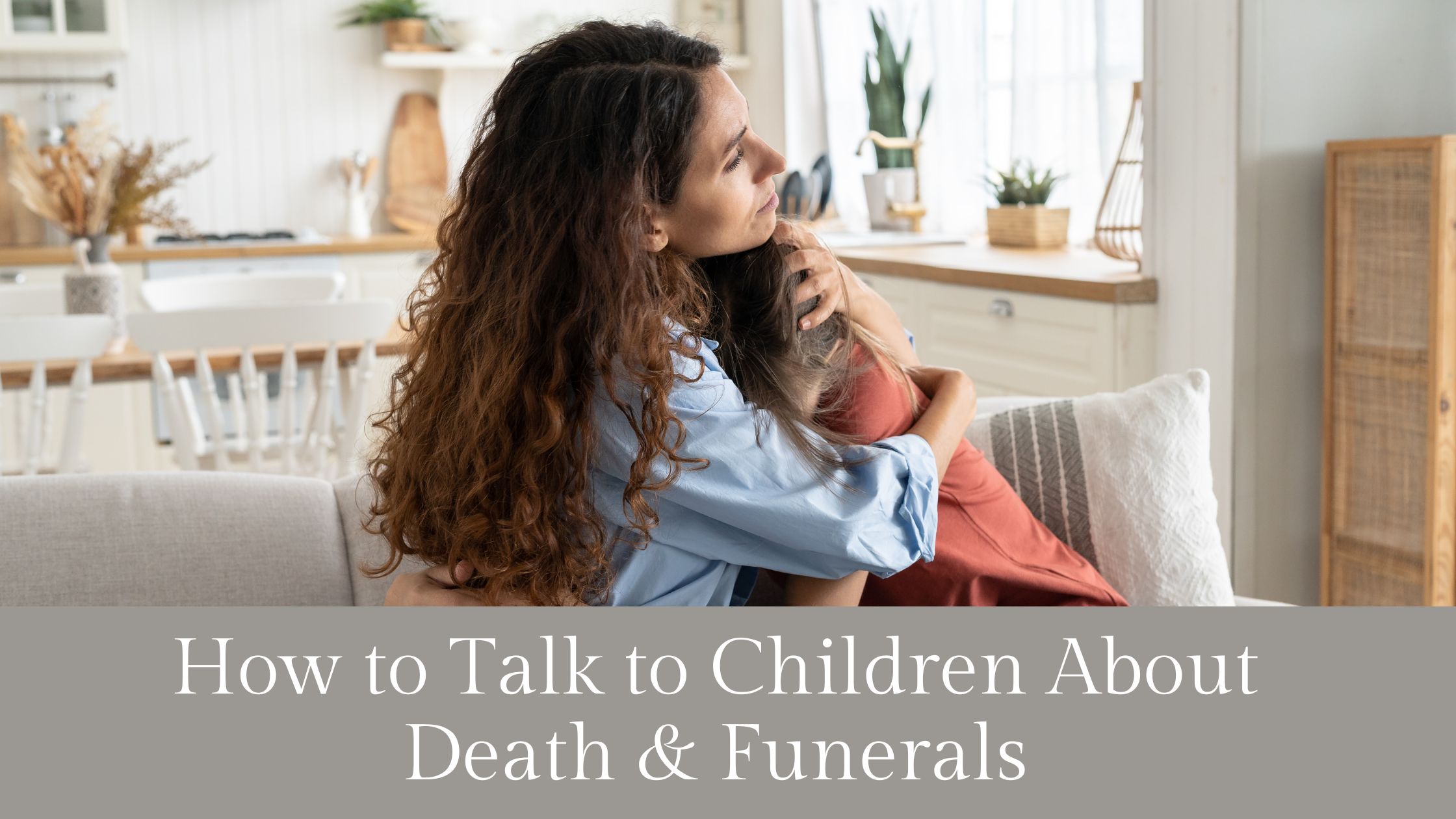
Discussing the death and funerals with children can be a daunting task. Many adults find it challenging to navigate these sensitive topics, often fearing that conversations about mortality will overwhelm or confuse young minds. However, addressing death in a thoughtful and age-appropriate manner is essential for helping children understand and cope with loss. Here are some practical tips for discussing death and funerals with children.
Create a Safe Environment for Discussion
Before initiating the conversation, ensure that the child feels safe and comfortable. Choose a quiet, familiar setting where they can express their feelings openly without distractions. Encourage them to ask questions, and let them know it’s okay to share their thoughts and emotions about the topic.
Use Age-Appropriate Language
When discussing death, it’s important to use language that is appropriate for the child’s age and developmental level. For younger children, you might explain that death means the person won’t be with us anymore, while older children may understand more complex concepts.
Encourage Questions
Children are naturally curious, and they may have many questions about death and funerals. Encourage them to ask anything that’s on their mind, and respond honestly and simply. If you don’t know the answer to a question, it’s ok to admit it and suggest finding out together. This approach helps build trust and shows that it’s ok to talk about difficult subjects.
Validate Their Feelings
Grief can manifest in various ways, and children may express their emotions differently than adults. Some may cry, while others may seem unaffected. Validate their feelings by letting them know it’s normal to feel sad, angry, or confused. Share your own feelings of loss and grief to show them that these emotions are a natural part of life.
Explain the Funeral Process
If a funeral is involved, explain what will happen in simple terms. Describe the purpose of a funeral, such as honouring the person who has died and providing a chance for family and friends to say goodbye. Let them know that it’s a time to remember happy memories and celebrate the life of your dead loved one.
Offer Ongoing Support
After the initial conversation, keep the lines of communication open. Encourage children to talk about their feelings or ask questions whenever they arise. Let them know that it’s ok to revisit the topic of death and grief over time. Be patient and available to listen, offering support as they process their emotions.
Conclusion
Talking to children about death and funerals is an important but sensitive conversation. By approaching the topic with care, honesty, and empathy, you can help children understand and process their feelings about loss. Remember, these conversations can continue over time, providing ongoing support as they navigate their emotions.
During this difficult time, our funeral services offers support for you and your family, helping you navigate the challenges of grief and loss with compassion and understanding. Don’t hesitate to reach out for assistance or guidance.